
Nishat Bagh | The Garden of Bliss, Srinagar's Mughal Masterpiece

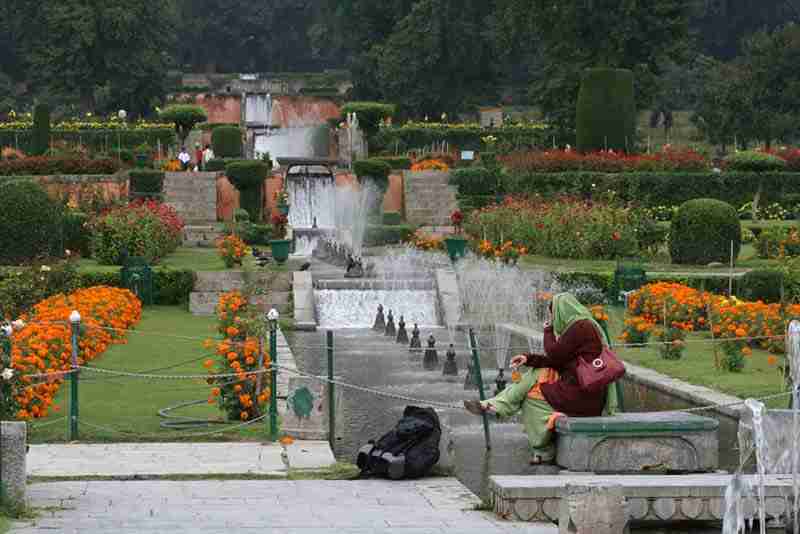
Nishat Bagh, meaning "Garden of Bliss" (also translated as "Garden of Joy"), is the second-largest Mughal garden in Kashmir after Shalimar Bagh. It sits on the eastern shore of Dal Lake in Srinagar, built in 1633 by Asif Khan, elder brother of Empress Nur Jahan and father-in-law of Emperor Shah Jahan. Spread across roughly 46 acres and rising in 12 terraces up the hillside, it commands one of the best combined views in Srinagar — Dal Lake below, the Zabarwan range behind, and centuries-old chinar trees lining every level.
This guide covers Nishat Bagh's history, layout, entry fee and timings, best time to visit, and how it fits into a wider Srinagar garden circuit.
History and Legacy
Nishat Bagh was designed and built in 1633 during the reign of Emperor Shah Jahan, who was reportedly so struck by its beauty that he wished to take it for himself. According to a popular local story, when Asif Khan declined to hand it over, Shah Jahan ordered the garden's water supply cut off. A loyal servant is said to have secretly restored the flow — and rather than punishing him, Shah Jahan was impressed by his loyalty and ultimately allowed the water supply to remain. True or embellished, the story has been told for generations and adds to the garden's folklore.
Like Kashmir's other Mughal gardens, Nishat Bagh follows a Persian garden layout — terraces, a central water channel, and strict symmetry — adapted to the terrain and water sources of the Kashmir Valley. Today it remains one of Srinagar's most visited heritage sites, and a regular filming location for regional and Bollywood productions.
Layout and Design of Nishat Bagh
- 12 terraces: Traditionally said to represent the 12 signs of the zodiac, each terrace offering a slightly different angle on the lake and mountains.
- Central water channel: Fed by streams from the Zabarwan range, running the full length of the garden and lined with fountains and chinar trees.
- Mughal-Persian architecture: Symmetrical stone pathways, raised embankments, and structured flowerbeds on every level.
- Dal Lake and Zabarwan backdrop: The upper terraces give some of the widest lake-and-mountain views of any garden in Srinagar.
Top Attractions in Nishat Bagh
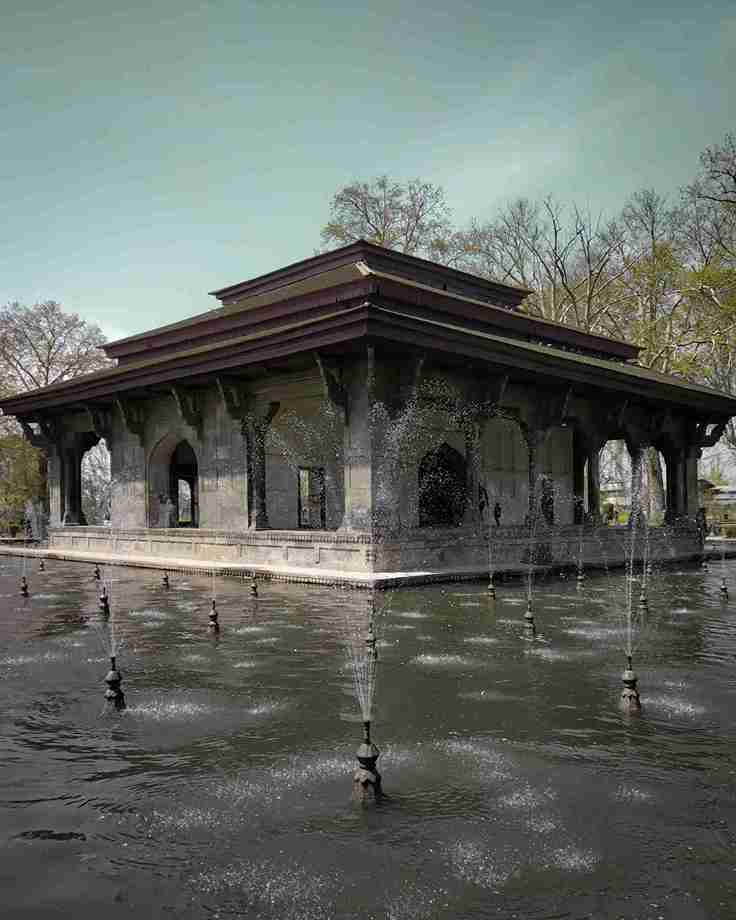

- Fountains: Traditional Mughal fountains running down the central channel.
- Chinar trees: Ancient, towering chinars shading the terraces and pathways.
- Floral displays: Tulips, roses, and seasonal flowerbeds add colour across the terraces.
- Lakefront views: Sweeping views of Dal Lake and its houseboats from the upper levels.
- Zabarwan backdrop: Snow-capped peaks framing the garden for much of the year.
Nishat Bagh — Timings & Entry Fee
| Detail | Information |
|---|---|
| Timings | 9:00 AM – 7:00 PM, daily |
| Entry fee | Nominal, typically ₹20–30 for Indian visitors; slightly higher for foreign nationals |
| Time needed | 1 to 2 hours to walk through all 12 terraces |
| Distance from city center | ~11 km, on the eastern shore of Dal Lake |
Best Time to Visit Nishat Bagh
The best time to visit is between April and October, when flowers are in full bloom and the weather is at its most pleasant. Spring brings a colourful carpet of tulips and roses across the terraces, while autumn turns the chinar trees a deep gold — one of the most photographed sights in Srinagar. Winter visits are possible but the garden is far less colourful, with bare trees and cold, quiet terraces.
Things to Do in Nishat Bagh
- Photography: The upper terraces, with Dal Lake and the mountains in the same frame, are the standout shot — best in early morning or golden-hour light.
- Picnics: The lower lawns are popular with local families for relaxed outings.
- Heritage walks: Take your time on the climb through all 12 terraces to appreciate the Mughal design principles in full.
- Relaxation: Simply sitting by the central water channel in the shade of a chinar is, for many visitors, the actual highlight.
Nearby Attractions
- Shalimar Bagh: Kashmir's largest Mughal garden, a short drive away on the same side of Dal Lake.
- Chashme Shahi: A smaller Mughal garden built around a natural spring, also overlooking Dal Lake.
- Dal Lake: Shikara rides and houseboat stays, right at the base of the garden.
- Hazratbal Shrine: A revered religious site nearby on the lake's edge.
Where to Stay Near Nishat Bagh
Given its location on Dal Lake's eastern shore, Nishat Bagh is easily combined with a Srinagar stay across every budget — from lakeside luxury hotels and resorts to more affordable guesthouses and boutique stays around Boulevard Road. Many visitors also choose a houseboat on Dal Lake itself, a short shikara ride from the garden.
Travel Tips for Nishat Bagh
- Visiting hours: 9 AM – 7 PM daily.
- Entry fee: A nominal charge applies for both Indian and foreign visitors.
- Photography: Morning light or golden hour gives the best results.
- How to reach: About 11 km from Srinagar city center; taxis and shikaras both work.
- Eco tip: Avoid littering to help preserve this heritage site.
Fun Facts About Nishat Bagh
- Known as the "Garden of Bliss" for its serene, elevated setting over Dal Lake.
- The central water channel is fed by natural streams from the Zabarwan range.
- A popular filming location for Bollywood and regional productions.
- Home to centuries-old chinar trees, some believed to date to the Mughal era itself.
- Tulip and rose blooms draw large crowds every spring, alongside the nearby Tulip Garden.
Nishat Bagh — Quick Reference
| Question | Answer |
|---|---|
| Built | 1633, by Asif Khan |
| Rank among Mughal gardens | Second-largest in Kashmir, after Shalimar Bagh |
| Terraces | 12 |
| Timings | 9 AM – 7 PM daily |
| Entry fee | Nominal (~₹20–30 for Indians) |
| Distance from Srinagar city center | ~11 km |
| Best time to visit | April to October |
FAQs — Nishat Bagh
Who built Nishat Bagh?
Nishat Bagh was built in 1633 by Asif Khan, elder brother of Mughal Empress Nur Jahan and father-in-law of Emperor Shah Jahan.
What is Nishat Bagh famous for?
Nishat Bagh is famous for its 12-terraced layout, Mughal fountains and water channel, centuries-old chinar trees, and sweeping views of Dal Lake and the Zabarwan Mountains.
How much time is needed to explore Nishat Bagh?
Around 1 to 2 hours is enough to walk through all 12 terraces and take in the views at a relaxed pace.
What is the entry fee for Nishat Bagh?
Entry is nominal, typically in the range of ₹20 to ₹30 for Indian visitors, with a slightly higher fee for foreign nationals. Rates can change, so it's worth confirming current pricing at the gate.
What is the best time to visit Nishat Bagh?
April to October is best, when flowers are in bloom and the weather is pleasant. Spring brings tulips and roses across the terraces, while autumn turns the chinar trees gold — both are popular photography windows.
Is Nishat Bagh the largest Mughal garden in Kashmir?
No — Nishat Bagh is the second-largest Mughal garden in Kashmir. Shalimar Bagh, also on Dal Lake's shore, is the largest.
Nishat Bagh is more than a Mughal garden — it's a working piece of Kashmir's cultural heritage, still shaped by the same 12-terrace design and chinar-lined water channel Asif Khan built nearly four centuries ago. Combined with its neighbours on Dal Lake's eastern shore, it forms one of the essential stops on any Srinagar itinerary.
Plan Your Srinagar Garden Circuit With Thrill Top Journeys
Nishat Bagh is best visited alongside Shalimar Bagh and a Dal Lake shikara ride, all within a short distance of each other on Srinagar's eastern shore. For a full Srinagar itinerary, see our complete Srinagar travel guide.
- Call or WhatsApp: +91 9797776779
- Browse All Kashmir Tour Packages
Author Bio
Aaqib Bhat is a travel writer passionate about Kashmir's culture, gardens, and mountains. He contributes to Thrillop, creating detailed travel guides to help visitors explore the Valley authentically.